CHANGE STARTS WITH US.
LEARNING PAGE
The Global Community of Collective Organization offers accessible resources that encourage communities, institutions, and individuals to take environmental action and embrace sustainable habit for more positive and better change! Through learning pages on water conservation, green urban design, and healthy habits, we show how our daily choices directly influence public health and the environment itself. Together, we hope that these informational pages and programs (see services for more) build an overall, cleaner, greener, and healthier future for all!
close the loop

Sleeping, eating, showering – our seemingly mundane daily tasks contribute to an average of at least 80 gallons of fresh water consumed and utilized by a single person in one day. Despite the vast oceans that encompass humankind, the push for water sustainability may seem paradoxical; Yet within these seemingly infinite abundances, there is only a small fraction, one that is approximately below 1%, that is considered accessible freshwater for humans – alluding to the imperative need for conservation to be a community necessity.
Beyond our daily consumption, water extends itself as a crucial economic resource; it exists in an interconnected web of systems, with its appliances seen in agriculture, public health, energy production, and overall economic stability. With the scarce availability of freshwater now in mind, putting in efforts on the individual, community, and industrial level can tremendously strengthen the sustainability of our freshwater resources. At home, be mindful to repair household leaks, take efficient showers and overall limit unnecessary water use. On a community scale, partaking in community cleanups at beaches, rivers, and wetlands or protecting local watersheds is a great way for ordinary people to take a step into protecting the systems their entire community depends on. At the institutional level, industries and agricultural systems can implement more efficient practices such as water recycling, drip irrigation, and sustainable production methods. When even slight conservation occurs on all three levels, even the smallest reductions in water waste and pollution curate significant conservation efforts, helping to preserve freshwater resources for both the present and future generations.
In retrospect, water conservation is not merely diluted down to having the most limited use of water per day – it is about practicing a stewardship that is deeply integrated into society's functions. For instance, it is deeply intertwined with public health; not only serving towards a fundamental well-being but for sanitation, hygiene, food production, and disease prevention. The consequences of poor water management are evident and harsh in public health, as seen by the CDCs (Centers for Disease Control and Prevention) estimate of roughly 1.1 million Americans becoming sickly each year due to germs in drinking water, demonstrating how closely the quality of water is directly extended into human health. The consequences of poor water sustainability can be seen especially dire in an economic lens, as agriculture, manufacturing, energy production, and many industries rely on constant freshwater supplies. When this source is threatened, reduced agricultural productivity, increased operating costs, and disruptions to production create a domino effect onto the communities themselves, affecting food prices in groceries and the cost of essential goods.
Ultimately, water conservation is a shared responsibility – one that holds critical weight in upholding the web of our community; from the health of each and every individual to the stability of our economy and sustainability of our environment. The future that so many dream of can only be woven when we protect the threads that uphold the communities themselves; with water serving as one of the most detrimental threads within societies tomorrow.

Fix household leaks immediately
Take shorter, more efficient showers
Join local beach or river cleanups
Turn off faucets while brushing teeth
Upgrade to water-saving appliances
HELP THROUGH THESE STEPS
FRESH PICKS
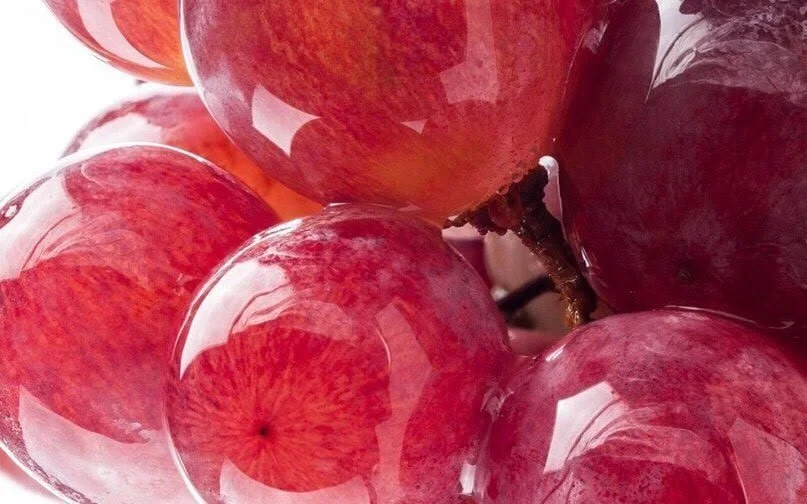
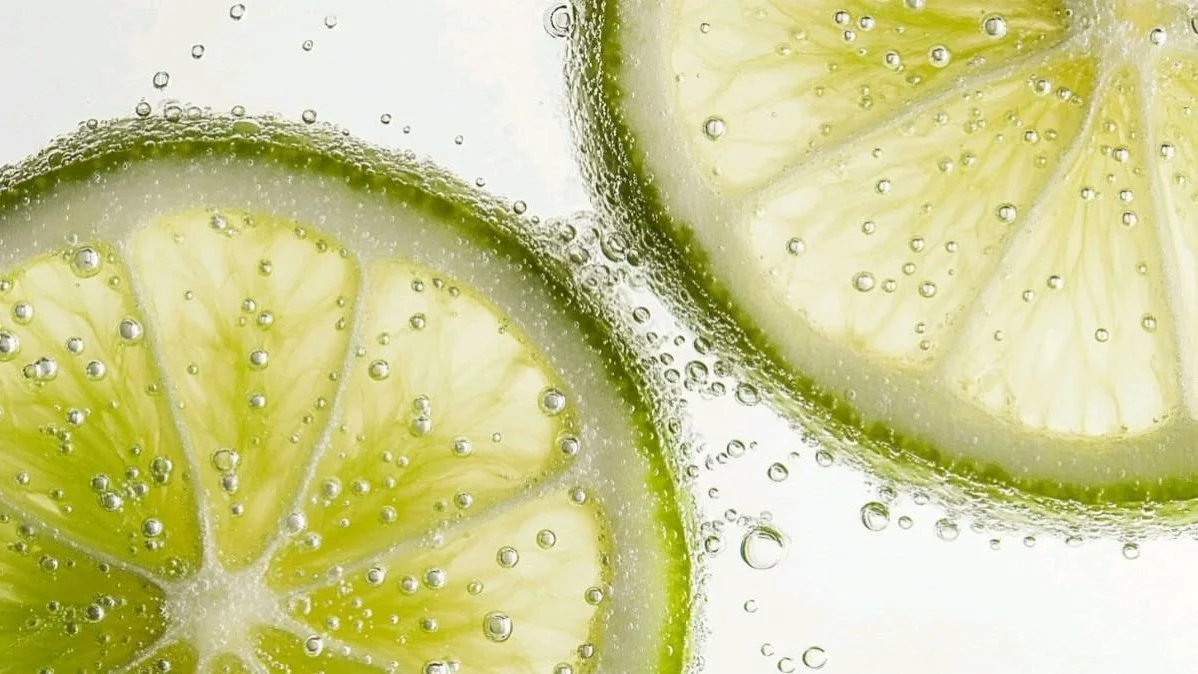
With this, we move into the relationship between personal habits and sustainability. Preventing spoilage through simple habits like washing one’s hands or separating food equals fewer resources being wasted overall. Every uneaten or spoiled item goes to waste, along with the chain of resources that was used to produce it. Therefore, something as small as rinsing vegetables before eating becomes part of a much bigger cause that protects not just our health, but the environment around us.


FRESH FUEL
People don’t usually think of handwashing or wiping down surfaces as a big deal; most do it subconsciously. However, these small habits can have a detrimental effect on our health and the planet. Rinsing produce before eating, separating different foods, washing our hands, and cleaning regularly are all actions that contribute to keeping our environment habitable. According to the CDC, food is one of the primary pathways for germ transmission. That’s why, no matter how insignificant they seem, healthy habits are always worth maintaining.
Preventing germ transmission and bacterial contamination is not all about protecting the health of the people; it’s also about protecting the food itself. When bacteria are spread, food spoils faster and often has to be thrown away before it is ever eaten or used. A side effect of this that people don’t normally consider is reduced waste. Once food goes to waste, it is irrecoverable, along with the water, energy, land, and labor spent growing and transporting that food in the first place. The EPA links food spoilage directly to household waste, economic loss, and the greenhouse gas emissions produced in landfills, and notes that more than a third of the food produced in the United States is never even eaten.
tHINK GREEN
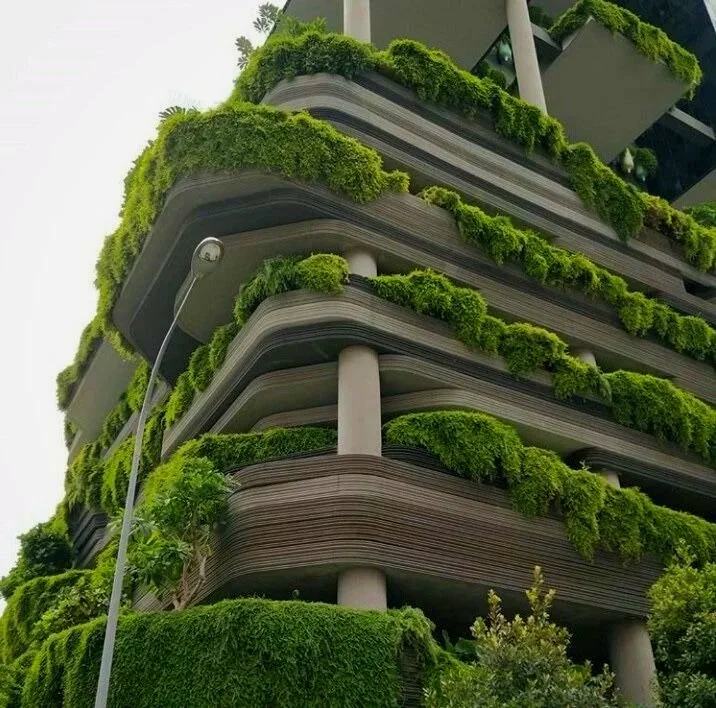
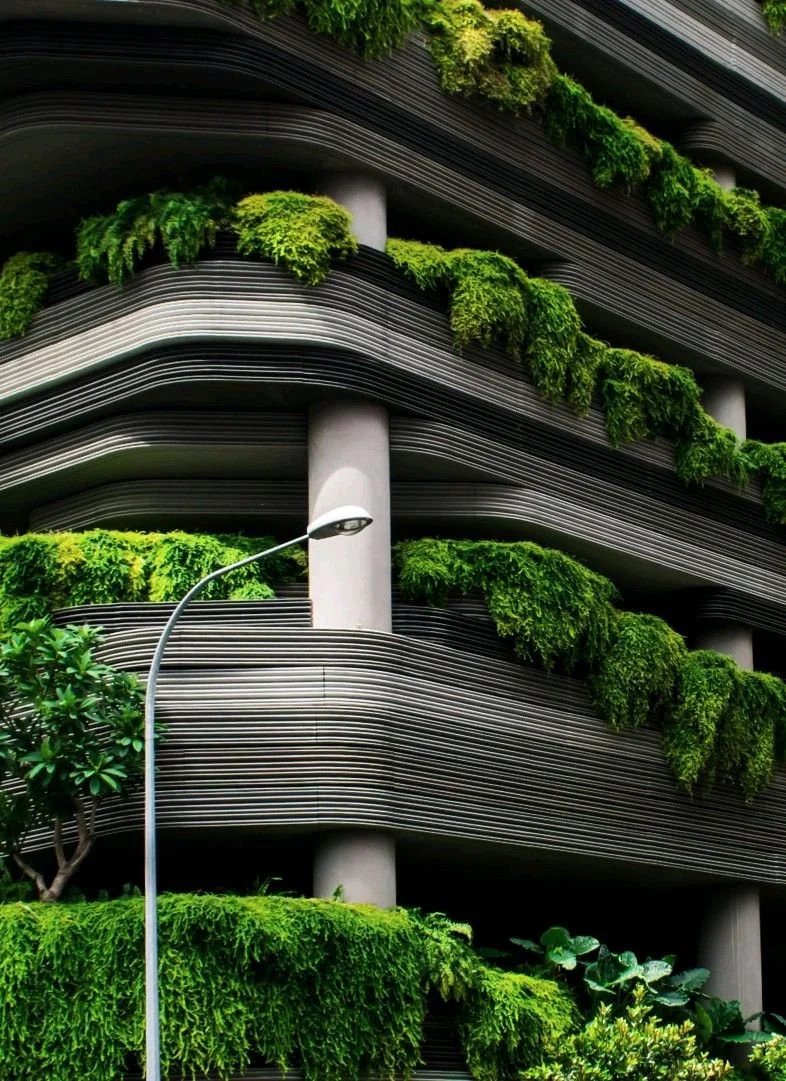
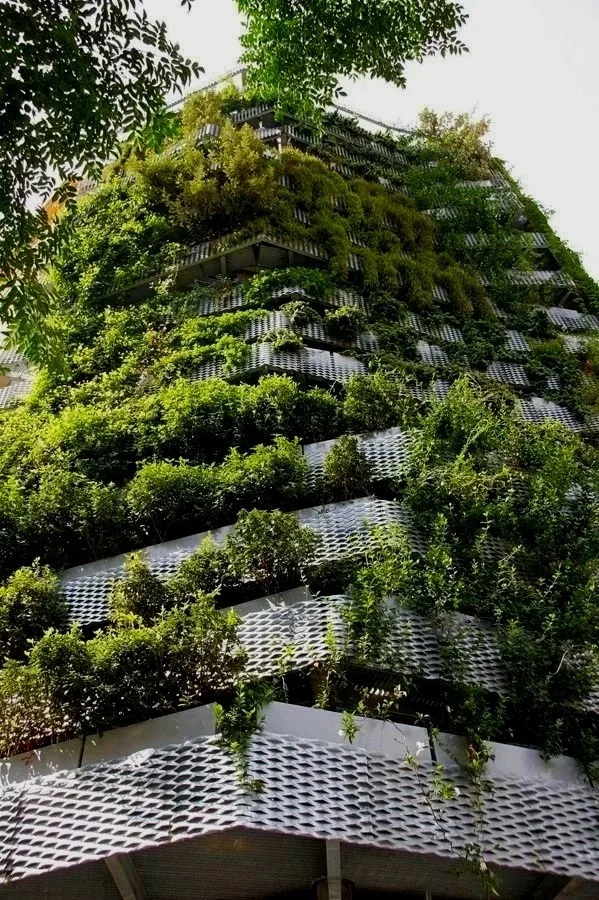
Leading up to the 20th century, the global population had been increasing exponentially at an alarming rate, consequently leading to the strain of economic resources, cramped infrastructure, and atmospheric pollution. Even within these alarming qualms, both human actions and interventions have allowed for rapid urbanization to have beneficial payoff by choosing to think green. But what exactly does it mean to conceptualize and implement “thinking green?” What may seem like a shrubby jungle atop a building at first glance is rather the materialization of how cities implement intentional urban planning to incorporate the arising environmental considerations into daily life.
Green buildings, most commonly seen throughout Singapore, mainland China, and scattered all throughout the U.S, are designed to mitigate energy consumption while boosting occupant health through its construction. Green buildings retain a multitude of features that regular apartments and infrastructure lack – this includes energy-efficient lighting and appliances, solar panels, natural ventilation, and most noticeable, green roofs, which all contribute towards reducing reliance on nonrenewable resources. Green building practices are scientifically backed to reduce waste, pollution, and environmental degradation all while improving indoor environmental quality, as stated by the EPA (U.S Environmental Protection Agency). Furthermore, the incorporation of green landscape goes hand in hand with green buildings, as urban trees and parks provide shade, improve air quality, and counteract the urban heat.
With this, we move into the relationship between personal habits and sustainability. Preventing spoilage through simple habits like washing one’s hands or separating food equals fewer resources being wasted overall. Every uneaten or spoiled item